
I still remember the first time I rolled out my mat for a Kundalini Yoga class back in 2015. My shoulders were knotted from endless desk work, my mind raced like a hamster on caffeine, and I figured any yoga would help. What I got instead felt like someone flipped a hidden switch inside me—energy surged, clarity hit, and for the first time in months I slept like a baby. That wasn’t hype; it was the real deal. Kundalini Yoga isn’t just another stretch session. It’s a full-system upgrade that blends movement, breath, sound, and stillness to stir something ancient and powerful within. If you’re curious about what it actually is, how to do it safely, and whether the benefits live up to the buzz, you’re in the right place. Let’s dive in together.
Understanding the Essence of Kundalini Yoga
Kundalini Yoga wakes up a coiled energy called kundalini that sits at the base of your spine like a sleeping serpent ready to rise. The practice uses kriyas—precise sets of postures, breaths, and mantras—to move that energy up through your chakras, clearing blocks and lighting up your nervous system along the way. It’s not gentle flow or power poses; it’s rhythmic, repetitive, and surprisingly accessible even if you’ve never touched your toes. Think of it as yoga’s turbo mode for busy modern lives.
The Ancient Roots and Modern Birth of Kundalini Yoga
Ancient texts like the Upanishads spoke of kundalini as a coiled Shakti energy thousands of years ago, but the full system stayed secret, passed mouth-to-ear from guru to student. It drew from Tantra, Hatha, and Sikh traditions until the 20th century. Then in 1968 Yogi Bhajan stepped off a plane in Los Angeles and decided the world needed it now—not just for monks, but for moms, CEOs, and stressed-out students like me. He wove in mantras, breathwork, and practical kriyas that fit real schedules.
How Yogi Bhajan Brought It to the West
Yogi Bhajan taught his first class in a tiny room and watched people light up from the inside out. He founded 3HO (Healthy, Happy, Holy Organization) to train teachers and kept the teachings open-source so anyone could learn. That bold move turned an esoteric practice into something you can find in studios worldwide today. Without his vision, most of us would still be scrolling past it on Instagram.
How Kundalini Yoga Differs from Other Yoga Styles
Hatha might focus on alignment and Vinyasa on sweaty flows, but Kundalini hits every layer at once—body, breath, mind, and spirit—in one kriya. You won’t chase perfect handstands; you’ll chant “Sat Nam” while pumping your navel or holding a mudra for minutes. The repetition builds heat and awareness fast. It’s less about sculpting abs and more about rewiring your entire energy field.
The Science Behind Awakening Kundalini Energy
Modern research backs what yogis felt for centuries. UCLA studies show 12 weeks of Kundalini practice grows the hippocampus, sharpens memory, and calms inflammation in older adults at risk for cognitive decline. Other trials link it to lower anxiety, better executive function, and even reduced PTSD symptoms. Your brain literally changes shape when you breathe, move, and chant with intention.
A Step-by-Step Guide to Practicing Kundalini Yoga
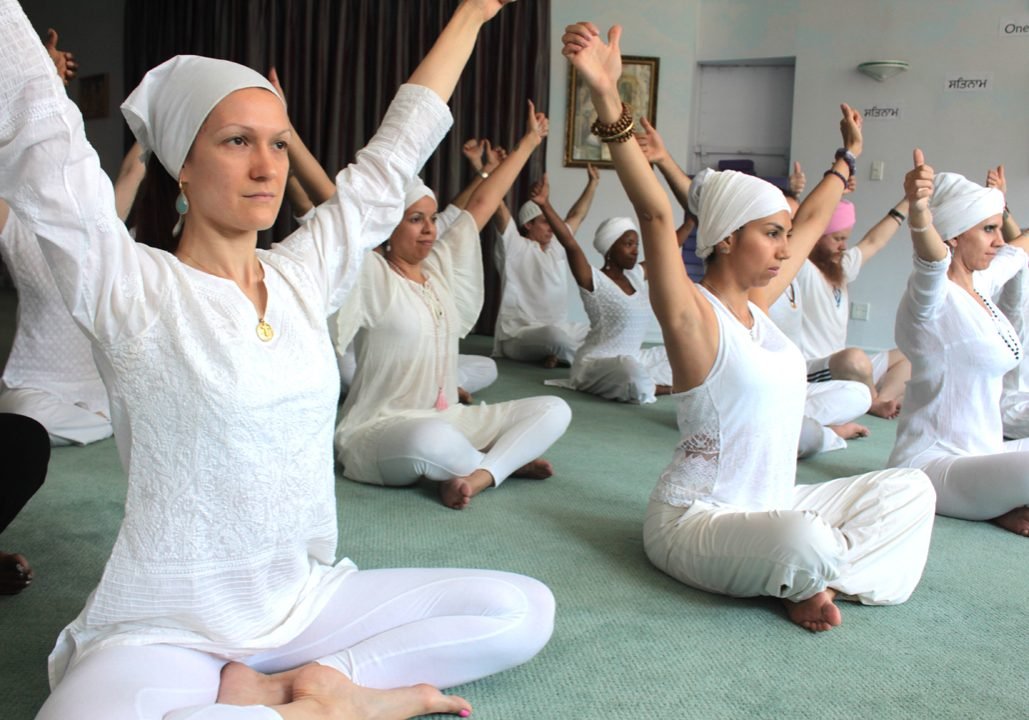
Start simple: find a certified instructor or a trusted online class from KRI-trained teachers. Wear loose cotton clothes, preferably white or light colors if you like tradition, and sit on a wool or cotton mat. Begin every session by tuning in with the Adi Mantra—“Ong Namo Guru Dev Namo”—three times to center yourself. Then warm up with long deep breathing or spinal flexes. The real magic happens in the kriya, followed by deep relaxation and meditation. Finish with the Long Time Sun song. Keep sessions 30–60 minutes at first.
Essential Elements of a Kundalini Session
Every class follows the same reliable rhythm: tuning in, pranayama to charge your system, a targeted kriya, savasana to integrate, meditation with mantra or mudra, and a closing blessing. Breath of Fire—rapid nasal breaths—often appears to detox and energize, but you can swap it for gentle long deep breaths if you’re new or pregnant. The sequence feels alive because it’s designed to hit specific glands and nerves every single time.
Beginner-Friendly Kriyas to Try at Home
One easy starter kriya is Spinal Flexes: sit cross-legged, inhale to arch your back forward, exhale to round it back, and repeat for three minutes while breathing deeply. Pair it with Ego Eradicator—arms up at 60 degrees, thumbs up, fingers curled, and do Breath of Fire for one to three minutes. End with Sat Nam meditation: palms on knees, chant “Sat” on inhale and “Nam” on exhale for six minutes. These build confidence fast without overwhelm.
Key Benefits Backed by Experience and Research
I’ve watched friends drop years of anxiety after consistent practice. Science agrees: Kundalini strengthens your nervous system, balances hormones, and lifts mood more effectively than many talk therapies alone in some studies. Physical gains show up as better posture, digestion, and immunity while mental clarity and emotional steadiness become your new normal. Spiritual perks feel like an inner GPS finally switching on.
Physical Benefits That Transform Your Body
Your spine gets stronger and more flexible from all those rhythmic movements, which also massage internal organs for better digestion and detox. Breathwork expands lung capacity and oxygenates blood, while the glandular focus keeps hormones steady so energy doesn’t crash midday. Many report fewer aches, deeper sleep, and a natural glow that no face cream can match.
Mental and Emotional Healing Powers
Stress melts because the practice down-regulates your fight-or-flight response and boosts feel-good neurotransmitters. Anxiety and depression scores drop significantly in clinical trials, and emotional resilience grows so small triggers no longer derail your day. I’ve seen people release old traumas through tears during relaxation—then walk out lighter and more compassionate.
Spiritual Growth and Heightened Awareness
Kundalini opens intuition and a quiet inner knowing that guides decisions without overthinking. You start noticing synchronicities and feeling connected to something bigger, yet it never demands you change your beliefs. It’s the yoga of awareness—helping you remember who you really are beneath the noise.
Real Stories: How Kundalini Yoga Changed Lives
My colleague Sarah, a burned-out teacher, tried one 40-day kriya for anxiety and found her panic attacks vanished. Another friend, a veteran with PTSD, credits daily meditation for restoring his sleep and sense of safety. Even I noticed after three weeks that my creative ideas flowed again and I stopped snapping at my kids. These aren’t miracles—they’re the predictable result of consistent practice done right.
Safety First: Is Kundalini Yoga Dangerous?
The short answer is no, not when you practice responsibly with guidance. Like electricity, powerful energy can feel intense if you flip the switch without knowing the wiring. Most “horror stories” come from people pushing advanced techniques solo or ignoring their body’s signals. With a good teacher and gradual pace, it’s one of the safest ways to build real inner strength.
Who Should Approach with Extra Caution
If you have high blood pressure, heart conditions, recent injuries, epilepsy, severe mental health diagnoses, or are pregnant, talk to your doctor and teacher first. Certain breathwork like Breath of Fire needs modification. Beginners with trauma histories benefit from trauma-informed instructors who know how to ground energy safely.
Practical Tips for Safe Practice
Always warm up, listen to your body, and stop if dizziness or discomfort spikes. Stay hydrated, eat lightly before class, and rest fully afterward. Commit to 40-day sadhanas only after building a base. Find certified KRI or 3HO teachers who emphasize safety over intensity. And remember: slow and steady awakens the serpent without burning the house down.
Pros and Cons of Kundalini Yoga
| Aspect | Pros | Cons |
|---|---|---|
| Accessibility | Works for all fitness levels | Can feel intense for absolute beginners |
| Results | Fast mood and energy shifts | Requires consistency for full benefits |
| Spirituality | Deep inner connection without dogma | Some find chanting or white clothes odd |
| Safety | Structured kriyas built-in safeguards | Rare overwhelm if rushed or unguided |
| Time | Short daily practices deliver big impact | Full classes run 60–90 minutes |
Comparison: Kundalini vs. Hatha vs. Vinyasa
Kundalini delivers targeted energy work in every session while Hatha builds foundational alignment and Vinyasa keeps you moving for cardio. If you want quick nervous-system resets and mantra magic, Kundalini wins. Craving quiet holds? Go Hatha. Love sweating through flows? Vinyasa fits. Many blend them—Kundalini as the spark, others as the steady flame.
People Also Ask About Kundalini Yoga
Is Kundalini yoga dangerous?
Only if you ignore your body or skip guidance. With proper teaching it’s safer than many gym workouts because it builds resilience step by step.
What are the benefits of Kundalini yoga?
Reduced anxiety, sharper focus, better sleep, hormone balance, emotional resilience, and a profound sense of inner peace—backed by both ancient wisdom and modern brain scans.
How do you practice Kundalini yoga for beginners?
Start with short home kriyas or a beginner class. Focus on breath and mantra over perfect posture. Ten minutes daily beats one long session once a week.
Can beginners practice Kundalini yoga?
Absolutely. No flexibility or experience required—just an open mind and a qualified teacher who modifies for your level.
What does Kundalini awakening feel like?
Warmth up the spine, tingling, emotional releases, or sudden clarity. Most describe it as coming home to yourself rather than a dramatic lightning bolt.
Frequently Asked Questions
How long until I see results?
Many feel calmer after one class. Deeper shifts in mood, sleep, and focus usually appear within two to four weeks of consistent practice.
Do I need special clothes or props?
Comfortable natural fabrics work best. A sheepskin or wool blanket under your mat can help ground energy during meditation, but it’s optional.
Is Kundalini yoga religious?
No. It’s a technology for the nervous system that welcomes every faith—or none. Mantras are sound currents, not prayers to a specific deity.
Can I practice during pregnancy?
Yes, with modifications. Swap rapid breath for long deep breathing and avoid intense abdominal work. Always check with your midwife or doctor.
Where can I learn authentic Kundalini yoga?
Look for KRI-certified teachers at 3HO.org or reputable studios. Online platforms like myyogateacher.com offer safe beginner series too.
Kundalini Yoga isn’t a quick fix or trendy workout—it’s a lifelong companion that meets you exactly where you are and gently pulls you toward who you’re meant to become. Whether you’re battling stress, seeking deeper purpose, or simply craving more energy, this practice delivers when you show up with patience and respect. Grab your mat, tune in with that simple mantra, and let the energy do the rest. Your nervous system will thank you, your mind will quiet, and that coiled serpent at the base of your spine just might start dancing. The question isn’t whether it works. The question is—when will you give it a try?