Getting Started with Kundalini Yoga: Your Complete Beginner’s Guide to Awakening Inner Energy

I still remember the first time I rolled out my mat for a Kundalini Yoga class. The room smelled faintly of sandalwood, someone was softly chanting in the corner, and I sat there thinking, “What on earth have I signed up for?” Ten minutes in, with my belly pumping through Breath of Fire and a mantra I could barely pronounce, something shifted. That weird, electric buzz wasn’t just sweat—it felt like my whole nervous system had finally woken up. If you’re curious about getting started with Kundalini Yoga but feel a little intimidated, you’re not alone. This guide walks you through everything, step by step, so you can begin safely, confidently, and with real results.
What Is Kundalini Yoga?
Kundalini Yoga blends dynamic movement, powerful breathwork, chanting, and meditation to awaken the coiled energy at the base of your spine—often called kundalini shakti. Unlike slower, stretch-focused styles, it’s all about raising that energy through the chakras for greater awareness, vitality, and inner peace. Yogi Bhajan brought these ancient techniques to the West in 1969, making them accessible beyond secret lineages. Today, it’s known as the “yoga of awareness” because it works your body, mind, and spirit together in every session.
The History and Roots of Kundalini Yoga
Kundalini practices trace back thousands of years in ancient India, where they were guarded closely by yogis and passed only to prepared students. In the late 1960s, Yogi Bhajan saw a need in the modern world and began teaching openly in the United States, founding the 3HO organization to share these tools for everyday people. What started as underground knowledge became a global practice that millions now use to handle stress, boost creativity, and find purpose. It’s not just ancient wisdom—it’s practical technology that still works beautifully in our busy lives.
How Kundalini Yoga Differs from Other Yoga Styles
Most yoga styles focus on physical postures or flowing sequences, but Kundalini Yoga emphasizes energy movement through specific sets called kriyas. You’ll do repetitive movements, hold poses briefly, then layer in breath, sound, and locks to direct prana exactly where it’s needed. Hatha might feel calming and grounding, while Vinyasa keeps you moving with the breath. Kundalini, though, can leave you buzzing with clarity after just 11 minutes of a meditation. It’s less about perfecting a downward dog and more about unlocking your inner power.
Comparison Table: Kundalini Yoga vs. Common Styles
| Aspect | Kundalini Yoga | Hatha Yoga | Vinyasa Yoga |
|---|---|---|---|
| Focus | Energy awakening & awareness | Balance & flexibility | Flow & strength |
| Class elements | Kriyas, breath, mantra, mudra | Static poses, alignment | Sun salutations, breath sync |
| Session length | 30–90 minutes with meditation | 60 minutes | 45–75 minutes |
| Beginner friendly | Highly, with modifications | Very | Moderate |
| Best for | Stress relief, mental clarity | Relaxation | Cardio & mobility |
The Science-Backed Benefits of Kundalini Yoga
Practitioners often report clearer thinking, steadier moods, and more energy within weeks. Research backs this up: one UCLA study found 12 weeks of Kundalini Yoga improved memory, reduced inflammation, and supported brain health in older adults. Other trials show it eases anxiety, lifts depression symptoms, and strengthens the nervous system. On a personal level, I noticed my sleep deepened and my usual afternoon crash disappeared after consistent practice. It’s not magic—it’s your body learning to regulate itself better.
Pros and Cons of Starting Kundalini Yoga
Pros:
- Rapid stress relief through breath and meditation
- Builds resilience in the nervous and glandular systems
- Boosts creativity and emotional balance
- Short, effective sessions fit busy schedules
- Community and teacher support available worldwide
Cons:
- Breathwork can feel intense at first
- Some kriyas challenge stamina
- Requires consistency for full benefits
- Not ideal if you have untreated breathing issues without doctor approval
- Emotional releases may surface (but that’s often part of the healing)
Is Kundalini Yoga Safe for Beginners?
Yes, when you start gently and follow proper guidance. The practice is designed to be accessible, but it works with powerful energy, so respect your limits. Most teachers recommend beginning with short sessions and learning the basics before diving into longer kriyas. If you have heart conditions, high blood pressure, or mental health concerns, chat with your doctor first. The key is listening to your body—discomfort is information, not a badge of honor.
What You Need to Get Started with Kundalini Yoga
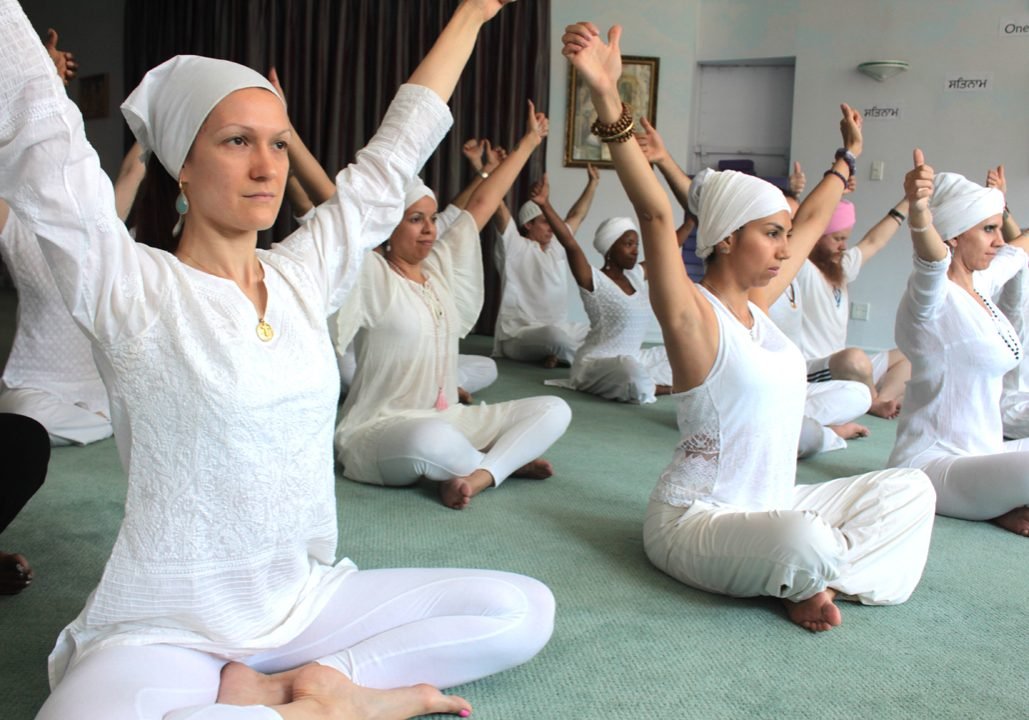
You don’t need fancy gear. A yoga mat, comfortable loose clothing (white is traditional but optional), and a quiet space are plenty. Many people add a cushion for meditation and a blanket for relaxation at the end. Have water nearby because breathwork can make you thirsty. Most importantly, bring an open mind and a little patience with yourself.
Essential Beginner Tools (Budget-Friendly List):
- Yoga mat (non-slip)
- Meditation cushion or folded blanket
- Timer app on your phone
- Notebook for journaling after practice
- Optional: white head covering or scarf for focus
How to Prepare Your Mind and Body Before Your First Session
Start by creating a simple ritual. Light a candle or play soft music if it helps you settle. Sit tall, close your eyes, and take a few long deep breaths. Remind yourself this is an experiment in self-care, not a performance. If your mind races, that’s normal—Kundalini Yoga actually trains it to quiet down over time. A light meal an hour before and comfortable clothes make everything easier.
Step-by-Step: Your First 20-Minute Beginner Kundalini Practice
Begin every session by “tuning in” with the Adi Mantra: Ong Namo Guru Dev Namo (I bow to the creative wisdom within). Chant it three times with hands in prayer at your heart. Then warm up with spinal flexes—sit cross-legged and rock your spine forward and back for three minutes. Follow with a simple kriya like Ego Eradicator: arms up at 60 degrees, thumbs pointing up, and do Breath of Fire for three minutes. End with three minutes of Sa Ta Na Ma meditation (fingers tapping in sequence) and a few minutes of deep relaxation lying down. Finish by chanting “Sat Nam” three times.
Mastering the Core Techniques: Breath, Mudra, and Mantra
Breath is your foundation. Long Deep Breathing calms you instantly—inhale to expand the belly, exhale to draw it in. Breath of Fire pumps the navel rapidly through the nose and energizes everything; start slow if it feels intense. Mudras are hand positions that guide energy; Gyan Mudra (thumb and index finger touching) promotes focus and calm. Mantras like “Sat Nam” (truth is my identity) rewire your subconscious when repeated. Practice each piece separately first so they feel natural when combined in a kriya.
Quick Technique Breakdown (3–4 Lines Each)
Breath of Fire
Sit tall, eyes closed or softly focused. Pump your navel sharply while breathing rapidly and evenly through the nose. Keep your chest relaxed and mouth closed. Beginners do 1–3 minutes; build gradually. It oxygenates blood and clears the mind fast.
Long Deep Breathing
Inhale slowly through the nose, expanding belly then ribs then chest. Exhale in reverse order. Place one hand on your belly to feel the movement. Use it anytime you feel anxious—it’s grounding and soothing.
Basic Mudras
Gyan Mudra: thumb and index finger touch lightly. Venus Lock: interlace fingers for strength. These create circuits that signal your brain and direct prana exactly where needed.
Common Beginner Mistakes and How to Avoid Them
Rushing into full kriyas before learning the breath is a top error. Many push too hard on Breath of Fire and feel dizzy—scale back and breathe normally if needed. Forgetting to relax at the end skips the integration phase where real healing happens. And comparing yourself to others in class? Totally normal but unnecessary; everyone’s energy is unique. Go at your own pace, and the practice will meet you there.
Where to Learn Kundalini Yoga: Classes, Online, and Resources
Local studios certified in Kundalini Yoga (look for 3HO or Kundalini Research Institute teachers) offer the best in-person guidance. Online, 3HO’s Practice Hub and YouTube channels with certified instructors provide free beginner videos. Books like “The Kundalini Yoga Experience” by Guru Dharam Singh Khalsa or apps with guided kriyas make home practice simple. Start with one short class or video per week and build from there.
Recommended Free Resources:
- 3HO.org beginner section
- Yoga Journal’s Kundalini guides
- Certified teacher YouTube channels (search “Kundalini Yoga for beginners 20 minutes”)
People Also Ask About Getting Started with Kundalini Yoga
What exactly happens during a Kundalini Yoga class?
You tune in with a mantra, warm up the spine, move through a kriya (set of exercises), relax deeply, meditate, and close with another chant. Expect breathwork, movement, and sound—classes feel energizing yet deeply calming.
How long until I feel the benefits?
Many notice calmer energy and better sleep after 1–2 weeks of daily short practice. Deeper changes like improved focus or emotional resilience usually appear within 40 days of consistency.
Do I need to be flexible or strong to start?
Not at all. Most kriyas are done seated or standing with easy modifications. The focus is energy, not perfect poses—your willingness matters more than your hamstring length.
Can Kundalini Yoga help with anxiety or stress?
Absolutely. The breath techniques and meditations directly calm the nervous system and have been shown in studies to reduce anxiety symptoms effectively.
Is it normal to feel emotional after practice?
Yes! Energy movement can stir up stored feelings. This is part of the release—journal afterward or talk to a trusted teacher if it feels overwhelming.
FAQ: Your Top Questions Answered
How often should a beginner practice Kundalini Yoga?
Start with 3–4 times a week for 15–30 minutes. Many teachers suggest a 40-day commitment to one short kriya to see real transformation.
What should I wear to Kundalini Yoga?
Comfortable, breathable clothes. White cotton is traditional because it’s said to expand your aura, but any clean, light outfit works fine.
Can I practice Kundalini Yoga while pregnant?
Some gentle breathing and meditation are safe, but avoid strong breath of fire or abdominal locks. Always check with your doctor and a certified prenatal Kundalini teacher.
Will Kundalini Yoga make me more spiritual?
It can deepen your connection to yourself and something greater, but it meets you wherever you are—no belief system required.
How do I know if I’m doing it “right”?
If you feel more present, energized, or peaceful afterward, you’re doing it right. The practice is personal—trust your own experience over perfection.
Getting started with Kundalini Yoga is one of the most empowering choices you can make for your mind, body, and spirit. It doesn’t demand perfection, just your honest presence on the mat. Start small, stay consistent, and watch how your energy, clarity, and joy begin to unfold. You’ve already taken the first step by reading this far—now unroll that mat and feel the difference for yourself. Sat Nam.