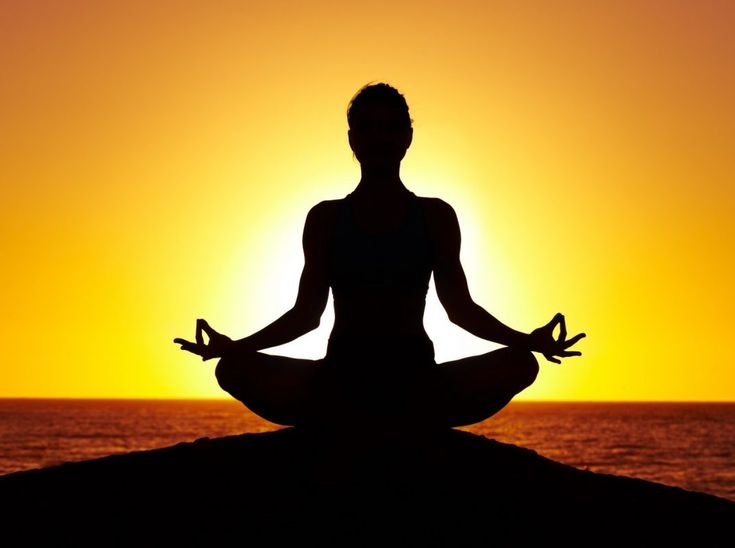

Imagine sitting in a quiet room after a long, chaotic day, your mind racing with deadlines and worries. Then you pick up a simple mantra or a favorite devotional song, and suddenly everything softens. That pull toward something bigger than yourself—that’s the quiet magic of Bhakti Yoga. I’ve felt it myself during an unexpected kirtan session years ago, where strangers sang together and my usual skepticism melted into pure joy. Bhakti Yoga isn’t just another spiritual path; it’s the yoga of the heart, a way to connect deeply with the Divine through love and devotion. In our fast-paced world, where stress often drowns out inner peace, this ancient practice offers a gentle yet powerful route to self-realization and lasting fulfillment.
The Meaning and Roots of Bhakti Yoga
Bhakti Yoga, often called the path of devotion, teaches us to channel our emotions into a loving relationship with the Divine—whatever form that takes for you. The Sanskrit word “bhakti” comes from the root “bhaj,” meaning to share, adore, or participate fully, while “yoga” means union. Together, they point to uniting with the ultimate reality through heartfelt love rather than intellectual analysis or rigid discipline. It’s love for love’s sake, pure and selfless, turning everyday life into an offering.
This path stands out because it meets you where you are—emotional, imperfect, and human. No need for years of silent meditation or perfect poses. Instead, Bhakti invites you to pour your feelings into something sacred, whether that’s a deity, the universe, or the spark of goodness in every person.
Ancient Origins of Bhakti Yoga
Bhakti’s seeds trace back thousands of years to the Vedic period and early Upanishads, where devotion appears as a natural way to honor the Divine. The Shvetashvatara Upanishad hints at it as loving participation in the greater whole, but the real turning point came in the Bhagavad Gita, composed between the third and second centuries BCE. There, Lord Krishna presents Bhakti as a complete path to liberation, accessible to anyone regardless of background.
Scholars often call the Gita the birthplace of Bhakti Yoga because it elevated devotion alongside knowledge and action. It showed that surrendering to the Divine with love could cut through life’s complexities faster than other routes.
The Bhakti Movement That Changed India
Fast-forward to medieval India, between the 7th and 17th centuries, and you’ll find the Bhakti Movement exploding across the country. Saints from the south, like the Alvars and Nayanars, composed passionate poetry in local languages, breaking barriers of caste and gender. Their songs spread north, inspiring figures like Kabir, Tulsidas, and Mirabai, who sang of ecstatic love for Krishna or Shiva.
This wasn’t just spiritual—it was revolutionary. Devotion became democratic, open to farmers, women, and the marginalized. Temples echoed with bhajans, and hearts opened wider than ever before.
Philosophy at the Heart of Bhakti Yoga
At its core, Bhakti Yoga views the Divine as a personal Beloved, not some distant force. The Bhagavad Gita outlines four kinds of devotees: those seeking relief from suffering, the curious seekers, those chasing rewards, and the rare ones who love purely for love’s sake. Krishna calls the last group the highest because their devotion flows without agenda.
This philosophy reminds us that emotions aren’t obstacles—they’re fuel. By directing love, longing, and even frustration toward the Divine, we transform them into pathways to freedom.
How Bhakti Yoga Compares to Other Yoga Paths
People often ask how Bhakti stacks up against Jnana, Karma, or Raja Yoga. The truth is, all paths lead to the same summit, but they climb different slopes. Bhakti uses the heart, while others lean on intellect or action.
| Path | Focus | Best For | Key Practice | End Goal |
|---|---|---|---|---|
| Bhakti Yoga | Devotion & love | Emotional seekers | Chanting, puja, surrender | Loving union with Divine |
| Jnana Yoga | Knowledge & wisdom | Intellectual types | Self-inquiry, study | Realization of oneness |
| Karma Yoga | Selfless action | Active, service-oriented | Detached service | Freedom from ego & results |
| Raja Yoga | Meditation & control | Disciplined minds | Asana, pranayama, samadhi | Mastery of mind & spirit |
Bhakti often feels like the sweetest shortcut because it doesn’t demand you quiet your mind first—it embraces your whole messy self.
The Nine Forms of Bhakti: Your Daily Toolkit
The Bhagavata Purana beautifully lists nine ways to express devotion, known as Navavidha Bhakti. These aren’t rigid rules but loving invitations tailored to different personalities.
Shravana, or listening to sacred stories, might start your day with a podcast on Krishna’s life. Kirtana turns ordinary showers into spontaneous singing sessions that lift your mood instantly.
Practicing Smarana and Padasevana Daily
Smarana means constant remembrance—keeping a photo of your chosen form on your phone lock screen or whispering a mantra while stuck in traffic. Padasevana involves serving the Divine in others, like volunteering at a shelter and seeing God in every face you meet.
These simple acts build momentum without overwhelming your schedule.
Archana, Vandana, and Dasya in Action
Archana is worship through rituals—lighting a candle at your home altar feels like a warm hug from the universe. Vandana brings humility through bowing or simple gratitude prayers. Dasya treats you as a humble servant, turning chores into offerings that dissolve ego.
Sakhya, Atmanivedana, and the Deeper Bonds
Sakhya sees the Divine as your closest friend, sharing secrets like you would with a buddy. Atmanivedana is full surrender—the moment you stop clutching control and let love carry you. Each form deepens the personal relationship that defines Bhakti.
Real Benefits You’ll Notice
Practitioners report lower stress, brighter moods, and a sense of inner peace that sticks. Studies and personal accounts link it to reduced anxiety, better focus, and even pain relief through gratitude and community.
One woman I know, juggling a corporate job and family, started a five-minute evening puja and watched her chronic worry fade. The heart opens, jealousy shrinks, and joy sneaks in.
Pros and Cons of Choosing Bhakti Yoga
Pros:
- Accessible to everyone—no gym or flexibility required.
- Builds community through kirtans and satsangs.
- Transforms emotions into spiritual fuel.
- Leads to quick emotional healing and bliss.
Cons:
- Can feel too emotional for analytical minds at first.
- Requires consistent sincerity to avoid superficial ritual.
- Cultural context might confuse beginners unfamiliar with Hindu traditions.
- Intense longing phase can feel like heartbreak before ecstasy.
Overall, the pros far outweigh the cons for heart-centered souls.
Famous Bhakti Practitioners Who Inspire Us
Mirabai, the 16th-century princess, gave up everything to sing to Krishna, wandering as a poet-saint. Her fearless love still moves millions. Chaitanya Mahaprabhu danced in streets, spreading kirtan across India and showing devotion could be ecstatic and inclusive.
Even modern voices like Jai Uttal remind us Bhakti lives in fatherhood, music, and everyday surrender.
Starting Bhakti Yoga as a Beginner
Begin small. Pick one form—maybe daily chanting while driving—and let it grow naturally. Find a guru or online community for guidance, and remember: sincerity beats perfection. Light a candle, offer a flower, and speak from the heart.
You don’t need fancy tools—just an open willingness.
Bhakti Yoga in Modern Life
Today, Bhakti fits seamlessly into busy schedules. Apps for mantra japa, virtual kirtans, or even dedicating your morning coffee to gratitude turn routines sacred. Western practitioners often adapt it to nature, art, or service, seeing the Divine everywhere.
It’s not about escaping life but infusing it with love.
People Also Ask About Bhakti Yoga
What is the difference between Bhakti Yoga and other yogas?
Bhakti uses love as the vehicle, while Jnana relies on knowledge and Karma on selfless action. All paths converge, but Bhakti feels most relational and joyful.
How do beginners practice Bhakti Yoga at home?
Start with five minutes of chanting or listening to bhajans. Build an altar, read a Gita verse daily, and offer your actions to the Divine.
What are the main benefits of Bhakti Yoga?
Reduced stress, emotional balance, stronger community ties, and a profound sense of purpose and inner peace.
Is Bhakti Yoga a religion?
No—it’s a universal philosophy of devotion that complements any faith or none at all.
Who can practice Bhakti Yoga?
Anyone with a sincere heart, young or old, from any background.
Frequently Asked Questions
How long does it take to see results from Bhakti Yoga?
Many feel calmer within weeks, but deeper transformation unfolds over months of consistent practice.
Can I combine Bhakti with Hatha or Asana Yoga?
Absolutely. Dedicate your physical practice as an offering and watch both paths enrich each other.
Do I need a guru for Bhakti Yoga?
A guide helps, but the true guru often appears as inner intuition or a trusted teacher when you’re ready.
Is Bhakti Yoga suitable during tough times?
Yes—it shines brightest then, turning pain into prayer and isolation into connection.
What’s the ultimate goal of Bhakti Yoga?
To live in constant loving awareness of the Divine, experiencing oneness while cherishing the beautiful relationship.