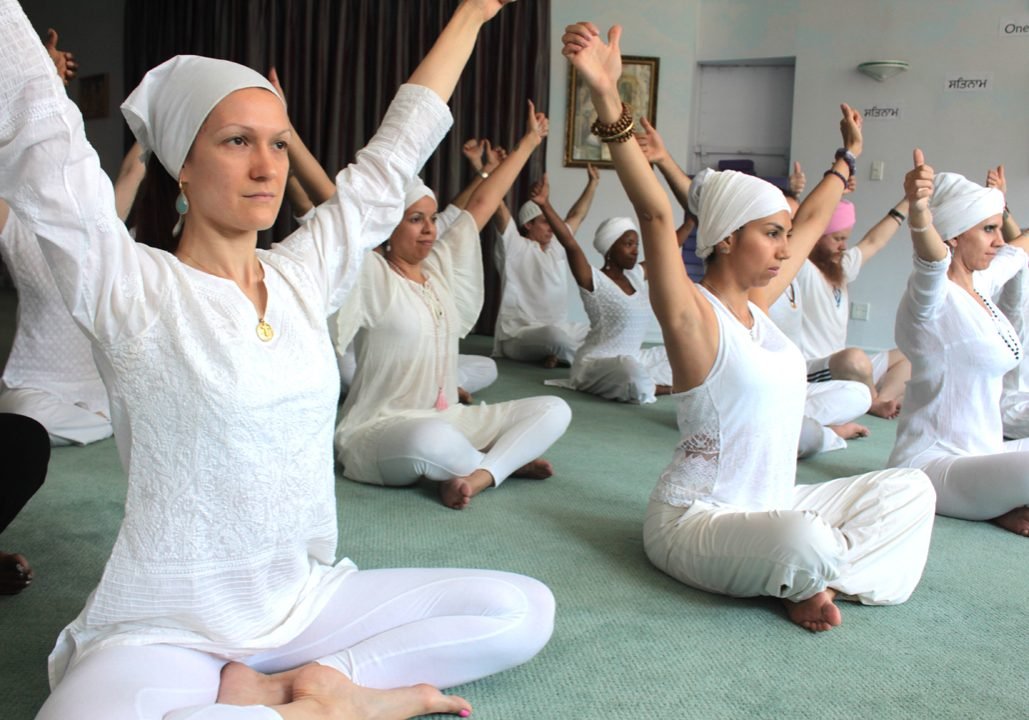

I still remember the first time I rolled out my mat for a Kundalini class years ago. The room hummed with strange breathing patterns, and within minutes my body felt like it was buzzing with electricity. I walked out thinking, “That was intense… but something just shifted.” Fast-forward through dozens of sessions, and I’ve seen friends ditch chronic brain fog, sleep through the night for the first time in years, and even rediscover joy in everyday life. Kundalini Yoga isn’t your typical stretch-and-pose workout. It’s a full-system upgrade that blends breath, movement, sound, and meditation to stir up dormant energy at the base of your spine.
What makes it stand out? Science is finally catching up. Recent studies from UCLA and others show measurable changes in the brain, genes, and nervous system that other yoga styles don’t always deliver. These aren’t the fluffy “feel-good” claims you see everywhere. They’re the hidden perks most people miss until they dive in.
What Exactly Is Kundalini Yoga?
Kundalini Yoga, often called the “yoga of awareness,” combines dynamic kriyas (sets of exercises), powerful breathing techniques like Breath of Fire, mantras, and meditation. Unlike slower Hatha flows, it moves energy fast to awaken your inner potential. You don’t need to be flexible or spiritual to start—just willing to show up.
How Kundalini Yoga Differs from Other Yoga Styles
Most yoga classes focus on physical poses or mindfulness. Kundalini goes deeper by targeting your nervous system, glands, and subtle energy channels all at once. It’s like hitting the accelerator on your body’s built-in healing mechanisms while other styles cruise in first gear.
The 10 Lesser-Known Benefits of Kundalini Yoga
Here are ten benefits backed by real research and real-life stories that rarely make the headlines. Each one surprised even seasoned practitioners when they first experienced it.
1. It Actually Grows Your Hippocampus – Your Brain’s Memory Hub
One of the most jaw-dropping findings comes from MRI scans: just 12 weeks of Kundalini Yoga can increase the volume of your right hippocampus. This is the brain region that handles memory, learning, and emotions – the exact area that shrinks with age and stress. In older adults at risk for Alzheimer’s, participants saw measurable growth while the control group using memory training didn’t.
My colleague Sarah, 58 and worried about family dementia history, joined a study-like program. Six months later she aced a cognitive test she’d failed before. No pills, just consistent kriyas and meditation.
2. It Rewires Genes for Anti-Inflammatory and Anti-Aging Effects
Kundalini Yoga doesn’t just calm you down – it changes how your genes behave. Research shows it down-regulates inflammation markers and up-regulates anti-aging molecules, something memory training alone can’t touch. These molecular shifts help protect against cognitive decline and chronic disease.
Think of it as hitting the reset button on your body’s aging software. Practitioners often report feeling “younger” in their 50s and 60s, and the lab data backs it up.
3. It Beats Sleep Hygiene for Fixing Insomnia
If counting sheep has failed you, try Kundalini. A randomized trial found that an 8-week practice slashed sleep onset time, boosted total sleep time, and raised sleep efficiency far beyond standard sleep advice. Over 80% of participants hit normal sleep patterns by the six-month follow-up.
I laughed the first time someone told me “yoga fixed my 3 a.m. wake-ups.” Then I tried the bedtime meditation myself and woke up actually refreshed instead of groggy.
4. It Builds Emotional Self-Efficacy That Sticks
Beyond reducing anxiety, Kundalini Yoga ramps up your belief in your own ability to handle emotions. Studies on brief daily meditations showed big jumps in self-esteem and emotional regulation.
One friend used it during a brutal divorce. She went from nightly panic attacks to calmly navigating co-parenting calls. The shift wasn’t overnight, but it felt permanent.
5. It Strengthens Your Nervous System Like Armor
Kundalini targets the vagus nerve and sympathetic-parasympathetic balance directly. Regular practice leaves you less reactive to daily stressors – the kind that used to spike your heart rate or ruin your mood for hours.
It’s why so many trauma survivors and first-responders swear by it. Your body literally learns to recover faster.
6. It Unlocks Creativity and Intuition Most People Never Tap
The combination of breath, sound, and focused movement clears mental clutter so original ideas flow. Long-time teachers describe it as “tuning into your inner GPS.” Practitioners report sudden bursts of creative problem-solving at work or in art.
A graphic designer I know credits one specific kriya for the campaign idea that landed her biggest client yet. She still can’t explain how the “download” happened – but it did.
7. It Naturally Balances Your Hormones and Glands
Kundalini works directly on the endocrine system through specific postures and breath. Many women notice steadier cycles, fewer hot flashes, and more stable energy. Men report better focus and drive without the afternoon crash.
It’s subtle at first, then you realize you haven’t reached for that second coffee in weeks.
8. It Helps You Break Addictions and Old Habits
By clearing subconscious patterns stored in the body, Kundalini makes it easier to let go of what no longer serves you. Studies on OCD and substance issues show promising reductions in compulsive behaviors.
One participant in a research group quit smoking after years of failed attempts. The difference? The practice addressed the energetic root, not just willpower.
9. It Deepens Real Compassion and Human Connection
As energy moves up the spine, practitioners often feel a natural expansion of empathy. It’s not forced “be nice” training – it’s a felt sense of unity that makes relationships richer.
Group classes especially highlight this. You finish a session and suddenly want to hug the stranger next to you (in a non-weird way).
10. It Turns Karma Into Dharma – Life Starts Flowing With Purpose
This is the big one most articles skip. Kundalini doesn’t just fix problems; it shifts your entire trajectory from reactive “karma” to aligned “dharma.” Old challenges become fuel for service and growth.
I’ve watched friends leave soul-crushing jobs for callings they never saw coming. The practice didn’t hand them a map – it cleared the fog so they could read the one they already carried inside.
Kundalini Yoga vs. Other Popular Yoga Styles
| Aspect | Kundalini Yoga | Hatha/Vinyasa Yoga |
|---|---|---|
| Focus | Energy awakening + nervous system | Physical flexibility + mindfulness |
| Breathwork | Intense (Breath of Fire) | Gentle pranayama |
| Typical Session | Dynamic kriyas + meditation | Flowing poses or static holds |
| Brain Changes | Hippocampal growth, gene shifts | General stress reduction |
| Best For | Deep transformation, anxiety, sleep | Strength, mobility |
Kundalini wins for rapid internal shifts; other styles excel at physical conditioning. Many people combine both for the best of everything.
Pros and Cons of Starting Kundalini Yoga
Pros
- Fast results in mood, sleep, and energy
- Works for all fitness levels (modifications available)
- Builds long-term resilience, not just temporary calm
- Community and tradition feel supportive
Cons
- Can feel intense at first (emotional releases happen)
- Needs consistent practice for full benefits
- Best learned from certified instructors initially
- White clothing tradition can seem unusual to beginners
Where to Get Started Safely
Look for certified Kundalini Yoga teachers through the Kundalini Research Institute or reputable studios. Online platforms like 3HO offer beginner-friendly kriyas. Start with 11-minute daily meditations if a full class feels overwhelming. Always listen to your body and consult a doctor if you have serious health conditions.
People Also Ask About Kundalini Yoga Benefits
Is Kundalini Yoga good for anxiety?
Yes – multiple trials show it reduces generalized anxiety symptoms, sometimes matching or approaching CBT results in the short term.
Does Kundalini Yoga really awaken energy?
Practitioners describe a tangible rise in vitality and clarity. Science points to nervous-system regulation and brain changes that feel like an “awakening.”
How quickly will I see results?
Many notice better sleep and mood within 2–4 weeks. Deeper brain and gene-level shifts often appear after 8–12 weeks of consistent practice.
Is it safe for beginners?
Absolutely, when taught properly. Start slow and work with an experienced instructor to avoid overstimulation.
Can it help with brain fog or memory issues?
Strong evidence shows it improves memory performance and protects brain structure in at-risk adults.
FAQ: Your Top Questions Answered
How often should I practice Kundalini Yoga?
Three to four times a week delivers solid results. Even 11 minutes daily of a specific meditation (like Kirtan Kriya) can shift the needle.
What should I wear or bring to class?
Comfortable clothes (white is traditional for energy reasons but not required). A yoga mat and water are enough.
Will it conflict with my religion?
No – it’s a technology for the body and mind that works alongside any faith or none at all.
Can I do it if I’m not flexible?
Yes. Kriyas focus more on breath and rhythm than extreme poses. Modifications make it accessible for everyone.
What’s the biggest mistake beginners make?
Quitting too soon because the first few classes feel strange. Stick with it for at least 40 days – that’s when the magic compounds.
Kundalini Yoga isn’t a quick fix or trendy workout. It’s a proven path that rewires your brain, steadies your emotions, and aligns your life in ways most people never expect. The ten benefits above aren’t hype – they’re documented in labs and lived by thousands of regular people just like you.
If you’re tired of surface-level stress relief and ready for something that actually lasts, roll out your mat. Your future self – clearer-headed, more energized, and deeply connected – will thank you. Sat Nam.